E-commerce SEO Guide: The Complete Strategy to Grow Online Sales

What Is E-commerce SEO and Why Does It Matter?
E-commerce SEO Guide: The Complete Strategy to Grow Online Sales is the process of improving an online store's visibility in search engines to attract qualified buyers and increase revenue. Unlike paid advertising, SEO continues delivering traffic long after optimization efforts are completed.
Today, consumers rely heavily on search engines before making purchasing decisions. If your products, categories, and informational content are not visible in search results, your competitors will capture that traffic instead. A strong Search engine optimization strategy helps businesses gain long-term visibility, improve brand authority, and generate sustainable sales growth.
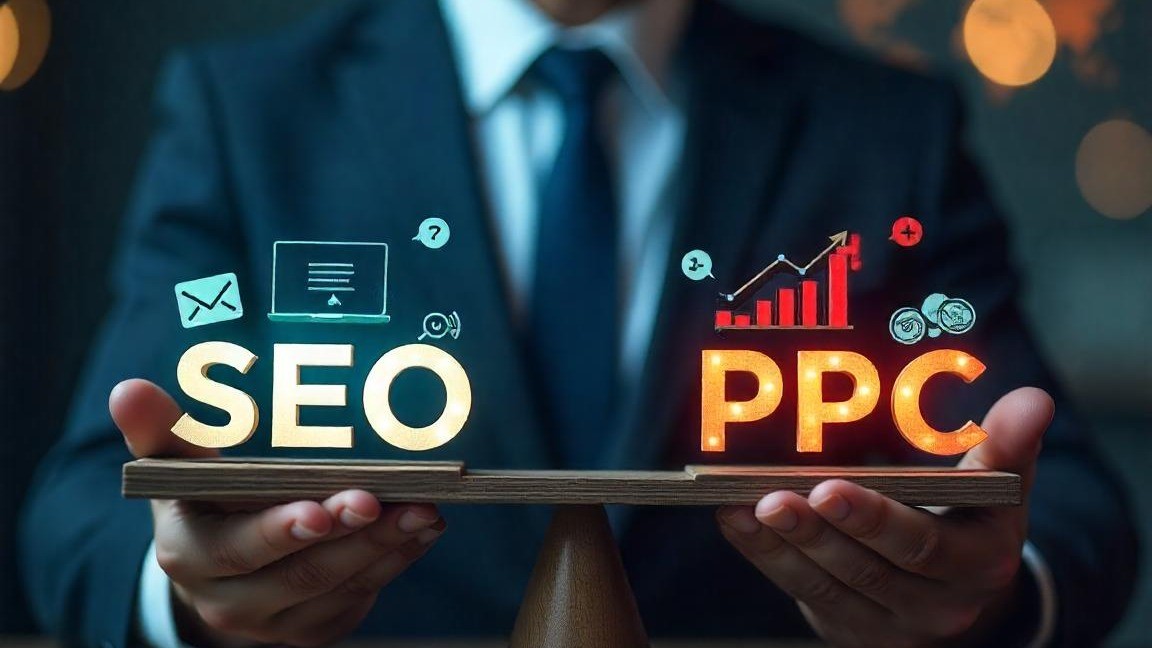
Why Is SEO Better Than Relying Only on Paid Advertising?
Paid advertising provides immediate traffic, but once the advertising budget stops, traffic disappears. SEO works differently. Organic visibility compounds over time, creating a long-term source of qualified visitors.
Benefits include:
- Lower customer acquisition costs
- Higher trust among potential buyers
- Consistent traffic growth
- Better conversion opportunities
- Long-term return on investment
For most successful online stores, SEO and paid advertising work together rather than competing against each other.
How Do You Find the Right Keywords for an E-commerce Store?
Keyword research is the foundation of every successful Search engine optimization campaign.
Effective keyword research focuses on three major search intents:
Informational Keywords
Users seeking information before making a purchase.
Examples:
- Best running shoes
- How to choose a laptop
- Camping gear buying guide
Commercial Keywords
Users comparing options before purchasing.
Examples:
- Best wireless headphones
- Top fitness trackers
- Product reviews
Transactional Keywords
Users are ready to buy.
Examples:
- Buy a hiking backpack online
- Discount running shoes
- Camping equipment store
Amazon suggestions, competitor research, customer reviews, and search engine data are excellent sources for discovering valuable keywords.
How Should an E-commerce Website Structure Its Pages?
A well-organized site architecture helps both users and search engines navigate content efficiently.
What Is the 3-Click Rule?
The 3-click rule suggests users should reach any product within three clicks from the homepage.
Example structure:
Home → Category → Subcategory → Product
This approach improves crawlability and user experience while helping search engines understand website hierarchy.
How Should Categories Be Organized?
Categories should be:
- Clear and descriptive
- Keyword-focused
- Easy to navigate
- Logically grouped
Proper organization supports scalability as product inventories expand.
How Do You Optimize Product and Category Pages?
On-page SEO remains one of the most important elements of an effective E-commerce SEO Guide: The Complete Strategy to Grow Online Sales.
How Should Title Tags and Meta Descriptions Be Optimized?
Every page should include:
- Unique title tags
- Compelling meta descriptions
- Target keywords naturally
- Strong calls-to-action
Why Are Unique Product Descriptions Important?
Many online stores copy manufacturer descriptions. This creates duplicate content issues and limits ranking potential.
Unique product descriptions help:
- Improve search visibility
- Increase conversions
- Differentiate products
- Enhance user experience
Adding customer reviews, FAQs, and specifications further strengthens content quality.
What Role Does Technical SEO Play?
Technical SEO ensures search engines can effectively crawl, index, and understand your website.
What Are Core Web Vitals?
Core Web Vitals are performance metrics used by Google to measure:
- Loading speed
- Interactivity
- Visual stability
Fast-loading websites often provide better user experiences and stronger rankings.
Why Is Mobile Optimization Essential?
Most online shoppers browse and purchase using mobile devices.
Mobile-friendly websites benefit from:
- Better user engagement
- Lower bounce rates
- Higher conversion rates
- Improved rankings
HTTPS security, responsive design, and optimized images are also critical technical SEO factors.
How Does Content Marketing Help E-commerce SEO?
Content marketing allows online stores to attract customers earlier in the buying journey.
What Content Types Generate Organic Traffic?
Popular content includes:
- Buying guides
- Product comparisons
- Industry insights
- Tutorials
- Product reviews
For example, a camping store can publish detailed gear comparison articles that attract users before they decide what to purchase.
How Does Link Building Improve Authority?
Quality backlinks remain a major ranking factor.
Effective link-building methods include:
- Guest posting
- Digital PR campaigns
- Resource page outreach
- Industry partnerships
- Original research and data studies
The more authoritative websites that reference your content, the stronger your domain authority becomes.
How Can AI and Modern Search Trends Affect E-commerce SEO?
AI-powered search experiences are changing how content is discovered. Search engines increasingly prioritize structured, authoritative, and user-focused content.
To remain competitive, businesses should:
- Use clear headings
- Implement schema markup
- Answer user questions directly
- Create expert-level content
- Maintain accurate product information
These practices increase the likelihood of appearing in featured snippets, AI summaries, and voice search results.
Conclusion
Implementing the E-commerce SEO Guide: The Complete Strategy to Grow Online Sales helps businesses build sustainable organic traffic, increase visibility, and improve conversions. From keyword research and site architecture to technical optimization and content marketing, every element contributes to long-term growth. A comprehensive Search engine optimization strategy is no longer optional for online stores — it is essential for competing successfully in today's digital marketplace.
Frequently Asked Questions About E-commerce SEO
Recent Blogs